Street Rules, Touchscreen Controls: Why Carrom, Kabaddi, and Kho-Kho Are Finding a Home on US Phones
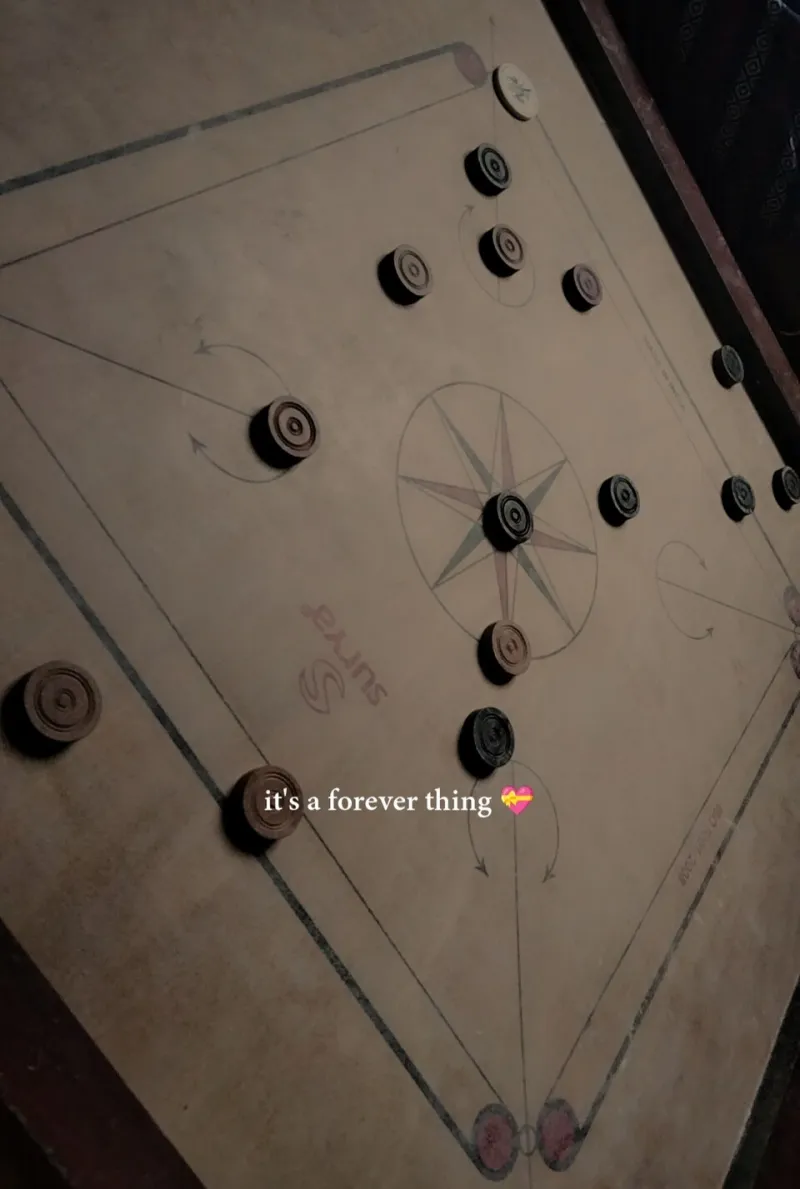
Photo: Nandhini saminathan, CC BY-SA 4.0, via Wikimedia Commons
American mobile gaming shelves are loud. There are battle royales with eighteen buttons, shooters that demand reflex speeds usually reserved for lab mice, and live-service games that treat a lunch break like a second job. So it makes a certain kind of sense that a growing number of US players are drifting toward something older, simpler, and strangely refreshing: games built on traditional Indian sports.
Carrom, kabaddi, and kho-kho are not new. They are deeply rooted in Indian households, streets, and schoolyards. But in 2026, they are quietly becoming mobile multiplayer hits in the US, not because they have been dressed up with explosions, but because their rules already fit the way people actually play on phones. Short rounds. Clear goals. Skill you can feel improving. And almost no learning curve that requires a YouTube tutorial.
Why a century-old tabletop game fits in your pocket
Carrom is the easiest sell. It is essentially tabletop billiards with a striker, a set of discs, and four pockets. You flick. You aim. You try not to hand your opponent an easy shot. On a touchscreen, that flick becomes a swipe, and suddenly a game that has been played on wooden boards for generations feels like it was designed for glass rectangles.
The best mobile carrom adaptations understand what makes the original work. They keep the turn-based rhythm. They preserve the tension of a well-placed striker. They let players take their time, which means you can play a round while waiting for coffee or respond to a friend's move three hours later. That asynchronous pace is a big part of the appeal for American players who are tired of games that punish them for closing the app.
There is also a physical satisfaction to carrom that survives the translation. A clean flick sounds right, looks right, and feels right. It is the kind of feedback loop that does not need a battle pass to be compelling.
Kabaddi: the strangest sport you can play with one thumb
Kabaddi is harder to explain and easier to love once you try it. The core idea is simple: one player raids the other team's half, tags defenders, and tries to get back without being tackled, all while chanting kabaddi, kabaddi, kabaddi. It is part sprint, part chess, part carnival.
On mobile, designers have figured out that the chant is not just a rule. It is a timer, a mood, and a natural source of tension. The best adaptations turn the raid into a short, readable burst of action: pick your lane, commit, escape. Rounds are quick. Mistakes are obvious. Spectators can follow along without a color commentator.
That spectator-friendly structure matters in the US, where mobile games often double as social apps. A kabaddi round is easy to show a friend. It has a beginning, a middle, and an end you can point at. Nobody has to watch you loot a chest for twelve minutes.
Kho-kho and the art of the chase
Kho-kho is the least familiar of the three to most American players, and also the one with the most room to grow. It is a tag-based pursuit game with strategy baked in. Chasers sit in alternating positions, attackers dodge, and one touch can flip the whole round.
Mobile versions are still finding their footing, but the ingredients are there. The basic action is easy to map to a tap or a swipe. The strategy comes from reading movement and timing your run. Short rounds make it a natural fit for the way people play on phones, and the chase format is instantly understandable even if you have never seen a kho-kho field.
The bigger lesson here is that American players do not need every mechanic explained in a forty-minute tutorial. A good chase is a good chase. If the controls are clean and the feedback is honest, curiosity does the rest.
Design choices that make old sports work on new screens
What connects these games is not nostalgia. It is a set of design decisions that happen to line up with modern mobile habits.
Simple controls are the first. A swipe to flick, a tap to tag, a hold to charge. The games do not ask you to memorize a controller layout. They ask you to understand a rule.
Asynchronous play is the second. Not every game needs to be live. Carrom in particular shines when you can take a turn, put the phone down, and come back later. That flexibility is a feature, not a compromise.
Spectator-friendly rounds are the third. Short matches with clear outcomes are easier to share, stream, or play in a group. They also respect your time in a way that many live-service games do not.
And then there is the hardware question. These games run on older phones, which matters in the US as much as anywhere else. Not everyone is carrying the latest flagship. A game that loads fast and plays smoothly on a three-year-old device has a real advantage.
A starter list for curious US players
Quality varies, so treat this as a starting point rather than a seal of approval. Search these names, read recent reviews, and try the free versions first.
- Carrom Pool and Carrom Disc Pool are the most common entry points for mobile carrom. They are polished, easy to learn, and good for quick asynchronous matches.
- Kabaddi Star and Real Kabaddi are among the names that show up often in app stores. Look for clear controls and short raid timers rather than flashy menus.
- Kho-kho mobile games are still a smaller category. Search for recent releases, check whether the controls feel responsive, and do not expect the same level of polish as carrom.
A word of caution: some of these apps lean heavily on ads or in-app purchases. That does not make them bad, but it does mean you should know what you are getting into before you settle in.
The bigger point: variety is the real win
Carrom, kabaddi, and kho-kho are not going to replace shooters for everyone. They do not need to. Their value is that they offer something different: competition without chaos, skill without a hundred-hour commitment, and a bit of cultural texture that feels earned rather than bolted on.
For American players who are tired of twitch shooters, these games are a reminder that a sport does not have to be loud to be exciting. Sometimes a well-aimed flick is enough.